Paper
Elizabeth Beavers (Assistant Professor of Law, Delaware Law School at Widener University) argues that the Trump administration’s anti-immigrant policies are enabled by practices created, tested, and normalized by all three branches of government on a bipartisan basis in the post-9/11 era. This report looks at five legal precedents borrowed from the so-called “War on Terror” that have helped the government ramp up aggressive immigration enforcement efforts to surveil, detain, harass, and deport foreign nationals inside the United States.
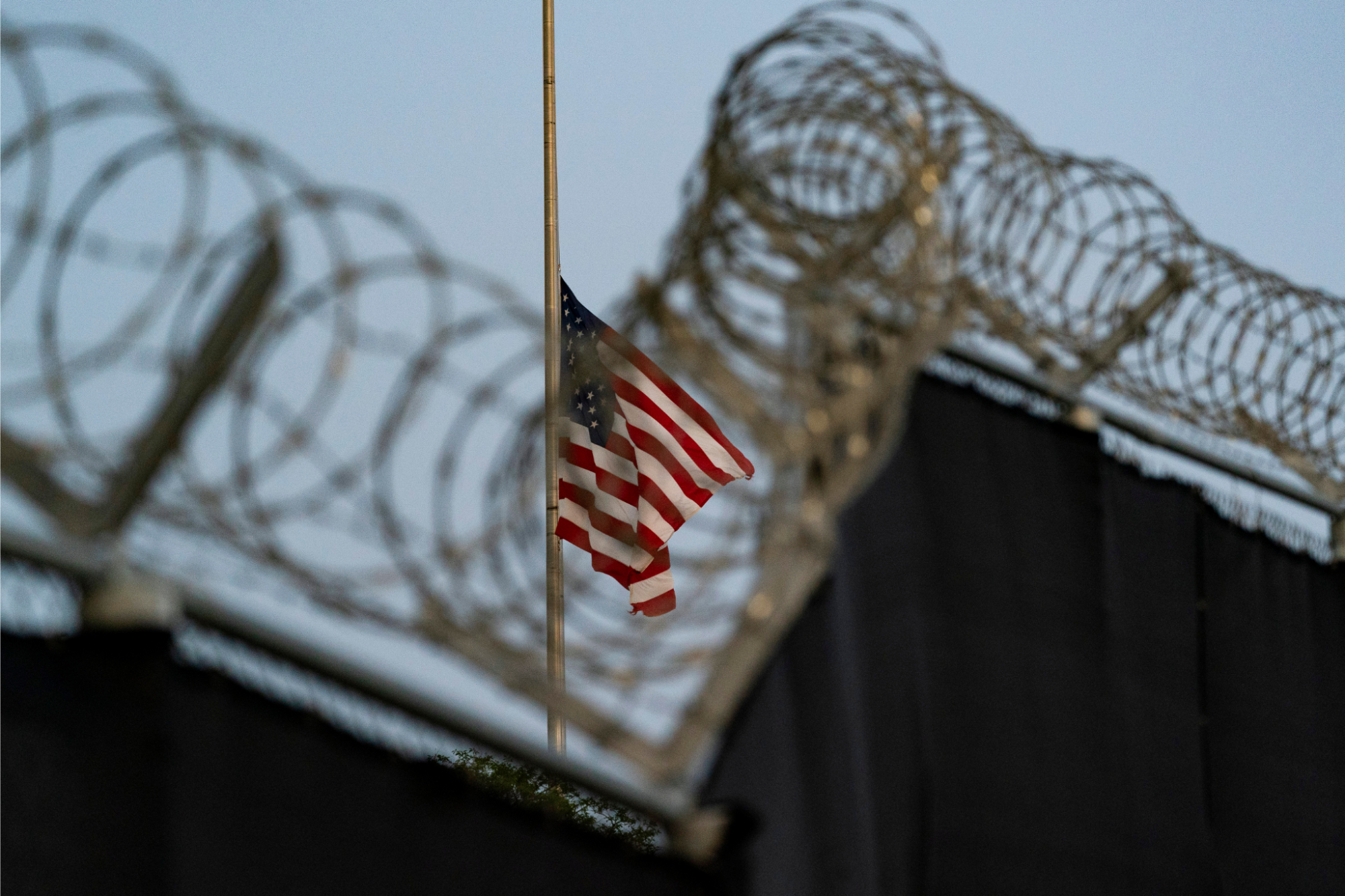
The five legal precedents examined in this report are:
- Conflation of immigration enforcement and counterterrorism;
- Expanded and politicized “terrorist” designation lists;
- Deporting people as “terrorists” without proving actual violent conduct;
- Indefinite detention, torture, and rendition of noncitizens; and
- Anti-democratic concentration of executive national security powers.
The report notes that since the earliest days after the attacks of September 11, 2001, Congress has created and expanded presidential powers to designate, detain, and deport people the administration unilaterally determines to be “terrorists.” Additionally, officials have long constructed programs and policies to surveil, harass, detain, torture, and deport nonwhite noncitizens on the premise that they are inherently suspicious, without actual evidence of wrongdoing. Neither Congress nor the courts have meaningfully checked presidents or held them accountable for their expansive claims of war authorities, national security powers, and counterterrorism mechanisms to justify discriminatory practices against noncitizens and especially against people of color.